Sound healing therapy is quietly taking over yoga studios, wellness centres, hospitals and healing retreats around the world. More and more people are booking sessions with someone that they likely didn’t know existed 10 years ago: a sound healing therapist. Despite its recent boom in popularity there is still some serious confusion surrounding what sound healing therapy is, what training is required to be one, and how it differs from someone “playing instruments to help you relax.”
A sound healing therapist is an intentional wellness practitioner who utilizes sound frequencies, acoustic instruments, and vibrational medicine to assist a client in supporting their physical, emotional, mental, and energetic health. Rooted in both ancient healing practices and the modern science behind how our nervous system processes sound, sound healing therapy is a professional wellness practice that is informed by research, ethics, and intentional techniques that fall outside the scope of playing music or therapy in the traditional sense.
So who exactly is a sound healer therapist and what do they do? If you’ve been wondering about heading into sound healing therapy as a career or curious about booking your first session here is everything you need to know.
The Foundation: What Does a Sound Healing Therapist Actually Do?
At the most basic level description, a sound healing practitioner practices healing with sound. However, this simple definition doesn’t even begin to cover what actually happens during a session. Preparation starts way before playing any instrument. It starts with intake and assessment of your clients history, present physical/emotional state, any contraindications, as well as intention for the session.
Based on that, the practitioner will then create an experience for you – curating which instruments, frequencies and techniques will be used for that specific individual. The type of instruments a trained sound healing practitioner has at their disposal is vast. They can range from: Himalayan/Tibetan singing metal bowls, crystal singing bowls (which all fall under the category of Sound Healing Bowls Therapy), Tuning forks made to certain frequencies, Gongs, Koshi Chimes, Ocean drums, Voice, and much more.
Sound healing practitioners should be sensitive listeners, students of anatomy and subtle energy, instrument technicians, and healers. All of these skills need to be working simultaneously, in tandem. That is why proper training is required.
The Science Behind the Practice: Why Sound Heals
Skeptics sometimes ask: is there genuine science behind sound healing, or is it simply a pleasant placebo effect? The answer, supported by a growing body of research, is that sound healing works through multiple well-documented physiological mechanisms — and understanding these mechanisms is central to a sound healing therapist’s training.
- Brainwave entrainment: The brain naturally synchronizes its electrical activity to external rhythmic stimuli — a phenomenon called entrainment. Sound healing therapists use sustained tones and rhythmic patterns to guide the brain from the high-frequency Beta state (waking, analytical, stress-prone) into the slower Alpha and Theta states associated with deep relaxation, creativity, and emotional processing.
- Autonomic nervous system regulation: Low-frequency sound, particularly from instruments used in Sound Healing Bowls Therapy, activates the parasympathetic branch of the autonomic nervous system, shifting the body out of “fight or flight” and into “rest and digest.” This shift lowers cortisol, reduces heart rate, and creates the physiological conditions necessary for genuine healing.
- Resonance and cellular response: The human body is approximately 70% water, and water is an excellent conductor of sound vibration. Research in vibroacoustic therapy demonstrates that low-frequency sound vibration applied to the body can directly affect cellular tissue, potentially reducing inflammation, improving circulation, and supporting fascial release.
- Psychoacoustic effects: Certain frequencies and interval relationships between tones have well-documented effects on mood, perception of pain, and cognitive function. A trained sound healing therapist understands these relationships and applies them intentionally not haphazardly.
Core Competencies of a Qualified Sound Healing Therapist
A genuinely qualified sound healing therapist brings together a breadth of competencies that extend well beyond learning to play an instrument. The following are the foundational areas of knowledge and skill that distinguish a well-trained professional from someone who has simply attended a workshop:
- Instrument mastery: Proficiency with multiple sound instruments, including metal and crystal singing bowls, tuning forks, gongs, and voice, with understanding of each instrument’s tonal qualities and therapeutic applications.
- Anatomy and physiology: Working knowledge of the human nervous system, endocrine system, and musculoskeletal structure, sufficient to understand how sound affects the body and to recognize contraindications.
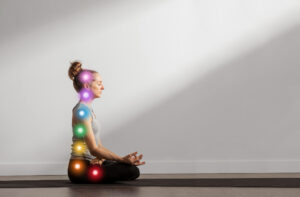
- Subtle energy systems: Understanding of the chakra system, meridian pathways, and the concept of the biofield, providing a framework for assessing and addressing energetic imbalances.
- Client assessment skills: The ability to conduct a thorough intake, identify therapeutic priorities, and design a session plan appropriate to an individual client’s needs and history.
- Session facilitation and presence: The capacity to hold a stable, grounded, attuned therapeutic presence throughout a session, including the ability to respond sensitively to emotional releases or unexpected client responses.
Sound Healing Courses in India: Why the Subcontinent Remains the Heart of This Tradition
Sound Healing is not a new trend in India, sound as medicine is an ancient practice that has been alive and well in the subcontinent for millennia. From the Vedic tradition of nada yoga (yoga of sound), to the ancient knowledge of mantras, to the healing applications of temple instruments in ritual practice, to the detailed correlation between sound frequencies and the human energy body through the map of the chakras – India has thousands of years of sonic medicine history behind it. This rich legacy makes India a natural home base for serious study of sound healing.
From weekend workshops to in-depth training that certify students to work with clients, there are a variety of Sound Healing courses available in India today. The best schools integrate India’s traditional knowledge of sound (how it relates to the elements, the chakras, and the subtle body) with modern day findings on vibro acoustics and brainwave science. The result is a practitioner who knows why they’re playing what they play.
Who Seeks a Sound Healing Therapist? Understanding the Client Landscape
One of the most striking aspects of sound healing therapy’s growth is the breadth of the client population it attracts. Far from being limited to a particular spiritual demographic, sound healing therapists today work with a remarkably diverse range of people and presenting needs:
- Individuals with chronic stress, anxiety, or burnout who are seeking a non-pharmaceutical route to nervous system regulation and sustainable resilience.
- People managing chronic pain conditions, including fibromyalgia, tension headaches, and musculoskeletal disorders, who use sound healing as a complementary support alongside their medical treatment.
- Those in grief or emotional transition bereavement, relationship changes, life stage shifts who need a body-based, non-verbal space for processing and release.
- Meditators and yoga practitioners who want to deepen their inner practice or break through periods of stagnation in their contemplative development.
- Corporate professionals seeking evidence-informed stress management tools, increasingly accessed through workplace wellness programs that include sound bath sessions.
Sound Healing Therapist vs. Sound Bath Facilitator: An Important Distinction
As sound healing has entered the mainstream wellness market, a proliferation of practitioners calling themselves by various titles has created understandable confusion for consumers. One of the most important distinctions to understand is the difference between a sound healing therapist and a sound bath facilitator.
A sound bath facilitator typically creates a general group sound experience — a relaxing, immersive environment in which participants receive the ambient vibration of instruments played in a group setting. This is a valid and beneficial experience, but it is not individually tailored therapeutic work. The facilitator is not conducting an intake, assessing individual needs, monitoring therapeutic response, or providing post-session integration support.
A sound healing therapist, by contrast, is trained to work with individuals in a clinical or quasi-clinical context. They bring a diagnostic framework, a therapeutic intention, knowledge of contraindications, and professional accountability to their work. If you are seeking sound healing for a specific health or emotional concern, the distinction matters significantly — and knowing what to look for in a practitioner’s qualifications protects you as a client.
How Five Elements Can Guide Your Path in Sound Healing
If you’re called to do this work whether as a client who desires authentic healing work, as a trainee wanting to learn how to sound like real medicine, or as a seasoned healer seeking to further your abilities your guidance matters. A lot. At Five Elements, we’re a portal for those who long to connect with sound healing in a grounded, authentic way that also meets the standards of professionalism.
We draw from the ancient healing practices of India, classical five element theory, nada yoga, and chakra system awareness while meeting you where you are with modern approaches to creating safe and effective healing work. If you’ve been looking into Sound Healing Bowls Therapy as a means to transform your life, searching for a training journey that will guide you through Sound Healing Teacher Training, or hoping to find Sound Healing courses in India that you can enroll in…we have the space, the lineage, and the mentorship to thoughtfully walk with you.
Conclusion: A Profession Whose Time Has Come
A sound healing therapist is something new. Not new age. Really new. A healer who honors humanity’s oldest healing traditions while also holding an informed comprehension of nervous system health, trauma, and the larger conversation around integrative care. Sound healing therapists are popping up in hospitals, in palliative care programs, in behavioral health agencies, in company wellness offerings, and in private practices all over the world.
Maybe you’re curious about what a session could offer you. Maybe you’re researching this as a career path. Maybe you just want to know more about what the buzz around Sound Healing Bowls Therapy and similar offerings is all about. Either way. The short of it is this: when offered by a knowledgeable, professional practitioner, sound healing therapy is powerful. It’s transformative. And it has the research to back it up.
Creating, refining, and offering quality training through Sound Healing training in India and around the globe, through comprehensive Sound Healing Teacher Training curriculums, and through education for the public is what will shape this industry moving forward. And it’s work that I’m proud to be doing.
Frequently Asked Questions
Q1: Does a sound healing therapist need to be a trained musician?
Not necessarily. While musical sensitivity is an asset, sound healing therapy is not a performance art. A practitioner’s primary skill is therapeutic listening and intentional frequency application not musical virtuosity. Many excellent sound healing therapists have no formal music training, while some trained musicians make poor therapists because they prioritize performance over client attunement.
Q2: How long does it take to become a qualified sound healing therapist?
This varies significantly depending on the depth of training sought. A foundational certificate program might span 3–6 months of part-time study. A comprehensive professional certification, particularly one that includes supervised client practice hours, ethics training, and anatomy study, typically requires 12–18 months. Sound Healing Teacher Training adds another significant layer beyond that.
Q3: What is the difference between Sound Healing Bowls Therapy and general sound healing?
Sound Healing Bowls Therapy refers specifically to the therapeutic use of singing bowls — either Himalayan metal bowls or crystal quartz bowls as the primary instrument. General sound healing is a broader category that encompasses all instruments and techniques, including tuning forks, gongs, voice, percussion, and more.
Q4: Are there recognized certifications for Sound Healing courses in India?
The field is still developing its certification standards, but several Indian institutions now offer programs that are internationally recognized within the sound healing and integrative medicine communities. When evaluating Sound Healing courses in India, look for programs that clearly state their curriculum hours, supervised practice requirements, assessment methods, and the professional credentials of their teaching faculty.
Q5: Can sound healing therapy replace conventional medical or psychological treatment?
No and any responsible sound healing therapist will be explicit about this. Sound healing therapy is a complementary modality, not a replacement for evidence-based medical or psychological care. It works most powerfully when integrated alongside, not instead of, appropriate conventional treatment.