Sleep is one of the fundamental pillars of health. However, millions of people have issues falling asleep, staying asleep, or feeling restored sleep. Stress, anxiety, lifestyle habits, too much screen time, and inconsistent routines can cause havoc on your body’s natural ability to fall asleep. When seeking natural remedies to get a better night of sleep, many have been turning to sound therapy and meditation.
Sound Healing Frequencies have been used for years to relax the mind, control your breath, and allow your body to deeply relax. Healing sounds encourage your brain to enter into theta brainwave frequencies which allows the body to go into a state of deep restoration. Modern science and age-old wellness practices have proven sound therapy can help manipulate your nervous system to allow yourself to sleep better at night.
Understanding Sound Healing and Its Impact on Sleep
Sound healing aims to restore balance in the body and mind by focusing on particular frequencies, vibrations and rhythm sounds found throughout nature. Each cell in our body vibrates at a frequency. Stress, sickness and emotional trauma can cause these vibrations to lose their natural rhythms. Healing sounds reintroduce balance by allowing the body to realign with natural frequencies.
When applied before sleep, sound therapy helps the brain transition from active thinking to relaxation states such as:
- Alpha brainwaves which represent calm awareness
- Theta brainwaves associated with meditation and creativity
- Delta brainwaves linked with deep sleep and restoration
Listening to calming sound frequencies encourages the nervous system to shift from the “fight or flight” state into the “rest and digest” mode, which is essential for falling asleep naturally.
Many people today use Sound Healing for Stress Relief as part of their nighttime routine because it relaxes the mind without medication or artificial stimulants.
Why Healing Sounds Are Effective for Deep Sleep
The human brain is highly responsive to sound patterns. Slow rhythmic sounds can synchronize with brainwave activity, encouraging deeper relaxation.
Several physiological responses occur when therapeutic sounds are introduced:
- Heart rate slows down
- Blood pressure stabilizes
- Breathing becomes deeper and slower
- Stress hormones decrease
- The mind becomes calmer and less reactive
Because of these responses, sound healing has become a popular natural tool for insomnia, anxiety, and nighttime restlessness.
People who practice meditation or relaxation exercises often use Sound Healing Instruments for sleep because these instruments produce frequencies that support mental calmness and emotional balance.
Best Healing Sounds That Support Deep Sleep
Different sounds affect the brain and body in unique ways. Some sounds stimulate relaxation through rhythm, while others promote deep stillness through sustained vibration.
Below are some of the most effective healing sounds known to promote deep sleep.
1. Tibetan Singing Bowls
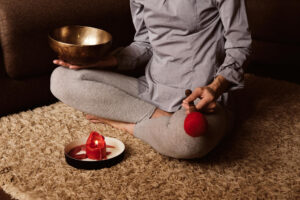
Tibetan singing bowls produce deep resonant vibrations that are widely used in meditation and sound therapy.
When a bowl is struck or gently rubbed with a mallet, it generates harmonic tones that resonate through the body. These vibrations help calm the nervous system and guide the mind into a meditative state.
Benefits include:
- Reduces anxiety and mental tension
- Promotes slower breathing patterns
- Helps quiet racing thoughts
- Supports deep relaxation before sleep
Because of their soothing tones, singing bowls are among the most widely used Sound Healing Instruments for Meditation in wellness practices around the world.
2. Ocean Waves and Nature Sounds
Nature sounds are one of the most natural forms of sound therapy. Gentle ocean waves, rain sounds, forest ambience, and flowing water create a calming auditory environment that helps the mind relax.
These sounds work by masking distracting environmental noises and creating a predictable rhythm that the brain finds comforting.
Common nature sounds used for sleep include:
- Ocean waves
- Light rainfall
- Flowing rivers
- Forest ambience
- Wind through trees
These natural soundscapes are widely used for sound healing for anxiety because they remind the brain of peaceful environments that trigger relaxation.
3. Binaural Beats
Binaural beats are scientifically designed sound frequencies used to influence brainwave activity. They work by playing slightly different frequencies in each ear through headphones.
The brain processes these differences and generates a third frequency, which helps guide brainwaves toward relaxation states.
For deep sleep, binaural beats typically target delta frequencies, which are associated with restorative sleep.
Benefits include:
- Helps reduce mental overactivity
- Encourages deeper sleep cycles
- Supports meditation and relaxation
- Improves sleep onset time
Many meditation apps and sleep therapy programs incorporate binaural beats due to their measurable effects on brainwave patterns.
4. Soft Instrumental Meditation Music
Slow instrumental music without lyrics is another effective way to calm the mind before bedtime.
Common instruments used include:
- Flutes
- Harps
- Piano
- Gentle chimes
- Ambient synthesizers
These sounds work by slowing breathing patterns and encouraging emotional calmness. When played at low volume, they create a peaceful environment that supports deeper sleep.
Many wellness practitioners combine meditation music with Sound Healing Instruments for sleep to enhance relaxation practices.
5. Crystal Singing Bowls
Crystal singing bowls produce pure and powerful tones that resonate deeply through the body.
Each bowl is tuned to specific frequencies that correspond to different energy centers of the body. The sustained vibrations help release tension and encourage mental stillness.
These bowls are commonly used in meditation sessions, yoga classes, and relaxation therapies.
Benefits include:
- Deep relaxation
- Emotional release
- Reduced mental stress
- Improved sleep quality
Many practitioners recommend listening to crystal bowl recordings before bedtime as part of a relaxation routine.
Therapy Benefits for Sleep Health Through Sound Healing
Sound therapy does more than improve sleep. When practiced regularly, it can support overall wellness in several ways.
Sound healing Therapy Benefits for Health associated with sound healing include improvements in both physical and emotional wellbeing.
Some key benefits include:
- Reduced anxiety and emotional stress
- Better sleep quality and deeper rest
- Improved focus and mental clarity
- Lower blood pressure
- Enhanced emotional balance
- Increased mindfulness and self awareness
Because sound healing works directly with the nervous system, its effects can be experienced quickly during relaxation sessions.
Many individuals report feeling calmer and more refreshed after just a short sound meditation practice.
How Sound Healing Supports Stress Reduction
Stress is one of the most common causes of poor sleep. Overthinking, anxiety, and mental overload keep the brain active even when the body is tired.
This is where sound healing for stress free sleep becomes particularly valuable.
When calming frequencies are introduced, they help the nervous system release tension and slow down mental activity.
Sound healing works for stress relief in several ways:
- It shifts the brain into slower brainwave patterns
- It reduces cortisol levels in the body
- It promotes deeper breathing and relaxation
- It encourages mindfulness and present moment awareness
These responses help prepare the body for sleep naturally and without dependence on sleep medications.
Sound Healing Instruments for Meditation and Sleep
Various traditional instruments are used in sound therapy sessions. Each instrument produces unique vibrations that influence relaxation differently.
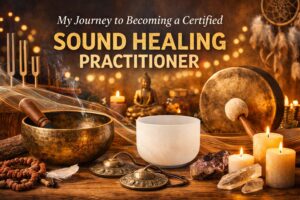
Common Sound Healing Instruments for Meditation include:
- Tibetan singing bowls
- Crystal singing bowls
- Gongs
- Tuning forks
- Chimes
- Native flutes
- Handpans
- Bells
These instruments are often used during meditation sessions, yoga practices, and therapeutic sound baths. The vibrations they produce help calm the mind and support deeper states of awareness.
Many meditation practitioners incorporate these instruments into nighttime relaxation routines to improve sleep quality.
Building a Nighttime Sound Healing Routine
A consistent nighttime routine can significantly improve sleep quality. Sound healing works best when integrated into a relaxing pre-sleep ritual.
Consider the following steps for creating a sleep routine with sound therapy:
- Dim the lights and reduce screen exposure before bedtime
- Choose calming sounds such as singing bowls or nature sounds
- Listen for 15 to 30 minutes before sleeping
- Focus on slow breathing and relaxation
- Maintain a consistent bedtime schedule
Over time, the brain begins associating these sounds with relaxation, making it easier to fall asleep naturally.
Sound Healing Course Programs and Growing Interest
As interest in holistic wellness grows, many individuals are exploring educational opportunities in sound therapy.
Today, Sound Healing course programs are offered in wellness centers, meditation institutes, and holistic training schools around the world.
These programs typically teach:
- Fundamentals of sound therapy
- Understanding vibration and frequency
- Meditation techniques
- Use of singing bowls and other instruments
- Stress reduction practices
- Energy balancing techniques
Learning these practices allows individuals to apply sound healing for personal wellness, meditation guidance, and holistic therapy.
Some institutions in India, including wellness centers such as Five Elements, provide guidance for individuals interested in learning sound therapy and meditation practices as part of holistic healing education.
How Five Elements Supports Holistic Sound Healing Awareness
Holistic wellness centers often aim to integrate traditional knowledge with modern wellness practices. Platforms such as Five Elements provide guidance for individuals interested in exploring meditation, relaxation techniques, and sound healing practices.
Through educational resources and wellness training programs, Five Elements helps individuals understand how natural healing practices can support mental balance, relaxation, and personal growth.
For those curious about meditation practices or learning about sound therapy, resources such as those available through Five Elements can help individuals better understand how sound, breathing, and mindfulness work together to support wellbeing.
Tips for Choosing the Right Healing Sounds for Sleep
Different people respond to different sound frequencies. The best approach is to experiment with various sound types and identify what works best for your mind and body.
Here are some helpful tips:
- Choose sounds that feel calming rather than stimulating
- Use low volume levels to avoid sleep disturbance
- Avoid music with lyrics before bedtime
- Maintain a comfortable sleep environment
The Future of Sound Therapy and Sleep Wellness
As people are becoming more educated on mental health and whole body wellness, sound healing is starting to become a more common way to relax.
Sound therapy is being used by many sleep specialists, meditation teachers, and holistic healers because it is natural and non intrusive.
Researchers are studying the power of sound frequency on brain waves, mood, and sleep cycles.
In the future we will probably see sound healing like Sound Healing for Sleep and Sleep Better Without Medicine play a larger role in sleep wellness as we move away from medicine.
Conclusion
Healing Sounds are an easy and effective method you can use to help yourself sleep better and unwind. Ancient Sound Healing Instruments to contemporary sound technologies like Binaural Beats. We use sound to help quiet the mind and relax into a deeper sleep.
Healing sounds work by relaxing the nervous system, slowing down brainwaves and easing stress allowing the body to naturally fall asleep.
Sound Healing Practices using Sound Healing Instruments, relaxing sound baths, and guided sleep meditations are powerful Sleep Therapy Benefits to help you unwind from stress, anxiety, and insomnia.
Many of us are now turning to meditation and studying Sound Healing Courses to learn how sound and vibrations can affect us.
Sound healing can be easily integrated into your evening wind-down practice for a more restful sleep. Join now!
Frequently Asked Questions
1. What sound is best for deep sleep?
Nature sounds, Tibetan singing bowls, binaural beats, and gentle instrumental meditation music are among the most effective sounds for deep sleep. These sounds help slow brainwave activity and calm the nervous system.
2. How does sound healing help with sleep?
Sound healing works by introducing calming frequencies that guide the brain into slower brainwave states associated with relaxation and deep sleep. It also reduces stress and mental tension.
3. Are sound healing instruments safe to use?
Yes. Sound healing instruments for meditation such as singing bowls and chimes are safe when used at appropriate sound levels. They are commonly used in meditation and wellness practices worldwide.
4. Can sound healing reduce stress?
Yes. Many people use sound healing for stress relief because therapeutic sounds help calm the nervous system, reduce anxiety, and encourage relaxation.
5. Can I learn sound therapy professionally?
Yes. Many wellness institutes offer sound Healing course programs that teach the principles of sound therapy, meditation techniques, and the use of healing instruments for relaxation and wellbeing.