What does it take to become a sound healing practitioner? Becoming certified in sound healing techniques is as much an inward journey as it is learning the skill set to share this work with others. From Tibetan singing bowls facilitating healing across the Himalayas, to healing chants used in India hundreds of years ago, sound has been used to elevate and soothe humans for thousands of years. Nowadays, sound therapy is being recognized by modern wellness science as an incredible tool for balancing mood, releasing stress, and healing the mind and body.
I started learning about sound healing on a whim, but it quickly became something that changed my life. Vibration, frequency, and intention can have amazing effects on the body and mind, and I love sharing that passion with others! This article highlights my personal journey with sound healing. What I learned along the way, and how taking Sound Healing courses helped me turn my passion project into a healing practice.
Discovering the Power of Sound and Vibration
Prior to my training I had heard of sound healing but assumed it was meditation music or white noise intended to relax you. Upon further research I learned sound healing is actually a scientific practice as well as ancient healing technique.
Sound is vibrational energy. Each of our organs, tissues and cells vibrate at a specific frequency. When we are stressed, sick or experiencing emotional dis-ease our vibrations can become out of balance. Sound healing will utilize certain frequencies and instruments to bring your body back into balance and alignment.
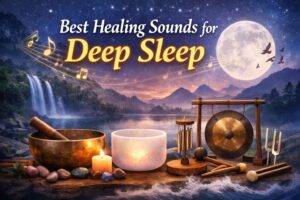
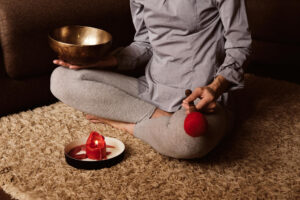
There are many instruments used for sound healing; singing bowls, tuning forks, gongs, chimes and toning are just a few. Each instrument creates different vibrations that will affect your energy.
Learning this information I immediately wanted to research sound healing further and become certified.
The Decision to Pursue Professional Training
While personal practice was rewarding, I realized that proper training was essential to understand sound therapy safely and effectively. Sound healing is not simply about playing instruments or creating relaxing music. It requires knowledge of:
- Energy systems and chakras
- Therapeutic frequencies and resonance
- Meditation and mindfulness techniques
- Emotional and energetic healing processes
- Ethical and responsible healing practices
Structured Sound Healing course programs provide this comprehensive foundation. These programs combine theoretical knowledge with practical experience, allowing students to understand both the science and spiritual dimensions of sound therapy.
Once I understood the depth of the field, the decision to enroll in formal training felt like the natural next step.
The First Step Into Sound Healing Education
My initial exposure to structured training came through introductory workshops and foundational courses. These early sessions focused on understanding the basics of sound frequencies, meditation techniques, and how sound interacts with the nervous system.
At the beginning of the learning process, several key principles stood out:
- Sound influences brainwave activity
- Vibrations can support relaxation and emotional release
- Meditation enhances the therapeutic impact of sound
- Intention plays a powerful role in healing sessions
These insights helped shape my understanding of how sound healing works in real therapeutic settings.
During this stage, I also began exploring different regional training options such as Sound Healing Teacher Training in Delhi, which are becoming increasingly popular among wellness practitioners in India.
Learning the Science Behind Sound Healing
What amazed me the most about my sound healing training was learning about how vibrational therapy works through science.
Through neuroscience and acoustic physics we learn how sound can affect the human brain and nervous system. Introducing certain frequencies while meditating or in therapy can help your brain wave states enter a deeper state of relaxation.
Some important scientific concepts explored during training included:
Brainwave Entrainment
Sound can influence brainwave patterns, guiding the brain from active beta states into calmer alpha and theta states associated with relaxation and meditation.
Resonance and Harmonics
Every part of the body has a natural frequency. Therapeutic sound instruments create harmonic vibrations that can help restore energetic balance.
The Nervous System Response
Sound therapy can stimulate the parasympathetic nervous system, which helps the body relax and recover from stress.
Understanding these mechanisms strengthened my confidence in sound healing as both an ancient practice and a scientifically supported wellness approach.
Practical Training and Hands On Experience
Theory alone is not enough to become an effective sound healing practitioner. Practical training plays a critical role in building real skills.
During certification programs, students practice working with a range of instruments and techniques such as:
- Tibetan singing bowls
- Crystal singing bowls
- Gong baths
- Tuning fork therapy
- Vocal toning and chanting
- Guided meditation with sound
Each instrument produces unique vibrational patterns that influence the body differently. Learning how to combine these tools in a therapeutic session requires patience, observation, and practice.
Programs like 50 hours Sound Healing Courses often include intensive training schedules where participants conduct supervised healing sessions and receive feedback from experienced instructors.
These experiences help develop confidence and refine techniques before working independently with clients.
Emotional and Personal Transformation Through Sound
While learning the technical aspects of sound healing was valuable, the most powerful part of the journey was the personal transformation that occurred during the process.
Sound therapy often creates deep emotional releases. Many practitioners experience personal healing during their training, including:
- Reduced stress and anxiety
- Improved emotional awareness
- Greater mental clarity
- Enhanced meditation practices
- Stronger connection with self and others
Through regular sound meditation and healing sessions, I began to notice changes in my own emotional state. Stress levels decreased, focus improved, and daily meditation became easier and more meaningful.
This personal growth reinforced the belief that sound healing is not only a profession but also a powerful self development practice.
The Importance of Structured Learning Environments
Choosing the right learning environment is essential when studying sound therapy. Authentic training programs focus on both practical skills and ethical responsibility.
A well structured sound healing program typically includes:
- Comprehensive theoretical knowledge
- Hands on instrument training
- Meditation and mindfulness practices
- Understanding of energetic anatomy
- Client safety and ethical guidelines
Organizations dedicated to holistic learning environments help guide students through these processes. For example, institutions such as Five Elements provide guidance on meditation, vibrational healing practices, and holistic wellness education. Platforms like this help learners explore deeper aspects of sound healing while maintaining a balanced and mindful approach to training.
Understanding the Role of a Certified Sound Healing Practitioner
After completing training, the role of a sound healing practitioner extends beyond simply conducting sessions. Practitioners must approach their work with empathy, mindfulness, and professionalism.
A certified practitioner typically focuses on:
- Facilitating relaxation and meditation sessions
- Supporting emotional well being
- Creating calming healing environments
- Guiding individuals through sound meditation practices
- Promoting holistic wellness
Sound healing does not replace medical treatment but can complement other wellness practices by supporting relaxation, stress relief, and mental clarity.
The Growing Popularity of Sound Healing Worldwide
In recent years, sound therapy has gained significant attention in wellness communities around the world. Meditation centers, yoga studios, and wellness retreats increasingly incorporate sound healing sessions into their programs.
Several factors contribute to the growing popularity of sound healing:
- Rising interest in holistic health practices
- Increased awareness of mental health and stress management
- Integration of meditation and mindfulness in modern lifestyles
- Scientific research supporting the benefits of sound therapy
As interest continues to grow, professional training opportunities such as Sound Healing Courses in Noida are expanding to meet the demand for skilled practitioners.
Challenges Faced During the Learning Journey
Like any meaningful journey, becoming a sound healing practitioner comes with challenges.
Some of the common difficulties faced during training include:
- Learning to master different sound healing instruments
- Developing confidence when conducting sessions
- Understanding the energetic sensitivity of participants
- Balancing scientific knowledge with intuitive practice
Overcoming these challenges requires patience and consistent practice. With time and dedication, these obstacles gradually transform into valuable learning experiences.
Continuing Education and Lifelong Learning
Even after completing certification, the learning journey does not end. Sound healing is a continuously evolving field that blends ancient traditions with modern wellness research.
Many practitioners continue to expand their knowledge through:
- Advanced meditation training
- Workshops on vibrational therapy
- Research on sound and neuroscience
- Participation in wellness retreats and community sessions
Learning platforms that focus on holistic development, including organizations such as Five Elements, often provide guidance for practitioners seeking deeper knowledge in meditation, energy healing, and sound therapy.
The Future of Sound Healing Practice
The future of sound healing looks promising as more people seek natural methods to manage stress and enhance mental wellbeing.
Sound therapy is increasingly being integrated into:
- Yoga and meditation studios
- Wellness retreats and holistic centers
- Corporate wellness programs
- Mental health support practices
Conclusion
Embarking on a journey to become a sound healing practitioner is one of education, self-discovery, and service. Beginning with questions of how sound and meditation can affect your own life, you learn to understand the human body and consciousness on a deeper level through vibration.
Sound Healing courses are designed to guide you through the hands-on experience of how to use sound to promote relaxation, mindfulness, and finding emotional balance.
It takes time and intention to become a healer of others. You must be willing to practice patience and dig deep within yourself to learn and grow. By doing this work, you can help others learn what it feels like to be healed by sound and learn how to heal yourself on a deeper level.
Frequently Asked Questions
1. What does a sound healing practitioner do?
A sound healing practitioner uses therapeutic instruments such as singing bowls, gongs, or tuning forks to create vibrations that promote relaxation, meditation, and emotional balance.
2. How long does it take to complete sound healing training?
Many introductory certification programs can be completed through workshops or intensive 50 hours Sound Healing Courses, while advanced training may take several months.
3. Are sound healing courses available in India?
Yes. Many institutions offer programs such as Sound Healing Teacher Training in Delhi and Sound Healing Courses in Noida for individuals interested in learning vibrational therapy.
4. Is sound healing scientifically supported?
Research in neuroscience and acoustic therapy suggests that sound frequencies can influence brainwave activity and relaxation responses in the nervous system.
5. Who can learn sound healing?
Anyone interested in meditation, holistic wellness, or energy healing can explore Sound healing course programs, regardless of prior experience in therapy or healthcare.