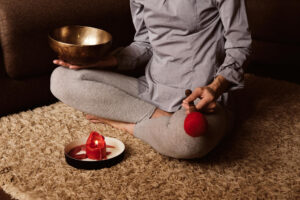
Few events shape the body quite like pregnancy does. As our healthcare industry grows and expands, we learn more about integrative ways to keep our bodies healthy – like sound healing. But sound healing during pregnancy? Safe? Let’s dive into what experts have to say.
What Is Sound Healing Therapy?
Sound healing is believed to have originated thousands of years ago and has been part of many different cultures including India, Tibet, Egypt and Greece to name a few. Sound healing uses specific sounds, vibrations and frequencies produced by instruments, voice and/or singing bowls to bring your body and mind into a deep state of relaxation. The theory behind sound healing therapy is that each cell within our bodies has a unique frequency. When we become out of balance from stress, sickness or strong emotional pulls, these frequencies can get “out of wack.”
Sound healing therapy today comes in many forms. There are sound frequency healings which focus on bringing your body into alignment. These use specific Hz’s to focus on certain organs or systems within the body. There are also sound bath healings which involve groups of people sitting or laying down while surrounded by sound. Singing bowl sound therapy, or sound healing bowls as they are sometimes called, use either Himalayan or crystal singing bowls to channel energy and vibrations to specific areas on your body.
How Does Sound Affect the Pregnant Body?
Ok, so how does it work? Sound = vibration. Sound vibration travels through water VERY easily. Our bodies are already about 60–70% water on average. Add pregnancy into the mix and you’ve got even more water responding to sound with your baby floating around in amniotic fluid!
The vibrations you experience while sitting in a sound bath healing session are hitting that baby too! Studies have shown that babies begin to feel sound/vibration as early as 16–18 weeks pregnant. Therefore sound programming during pregnancy could be helping your baby’s neurological development!
Sound also massages the autonomic nervous system directly. Certain tones trigger the parasympathetic nervous system response (think “rest and digest”). Lowering cortisol levels, decreasing heart rate, and allowing deeper breaths to enter your body. For mama’s holding extra weight and extra emotion- THIS type of nervous system balance can be healing.
Potential Benefits of Sound Healing During Pregnancy
Numerous pregnant women who have experienced sound healing therapies have noticed positive changes in their overall well-being. Although more research is needed, here are some promising effects that many pregnant women have experienced:
- Stress and Anxiety Reduction: Pregnancy-related anxiety is extremely common and can have downstream effects on both mother and baby. Sound frequency healing for body relaxation works by slowing brainwave activity from the alert beta state into the more peaceful alpha or theta states, similar to what happens during deep meditation. This shift can break cycles of anxious thought and give the nervous system much-needed rest.
- Improved Sleep Quality: Many pregnant women struggle with insomnia, particularly in the second and third trimesters. Sound healing sessions, especially those using low-frequency tones and Tibetan bowls have been shown to support longer, deeper sleep cycles by calming the mind and reducing physical tension in the body.
- Pain and Discomfort Relief: Backaches, pelvic tension, and headaches are frequent companions during pregnancy. The resonance produced during sound healing bowls therapy creates a gentle internal massage effect on muscles and fascia, which can soften areas of held tension without any physical manipulation.
- Emotional Processing and Bonding: Pregnancy surfaces a wide range of emotions from joy and anticipation to fear and uncertainty. Sound healing creates a container of safety where these emotions can be felt and released. Some mothers also report that participating in sound sessions deepens their sense of connection with their unborn child, particularly during quieter, reflective parts of the experience.
- Supporting the Baby’s Sensory Development: Since babies in the womb are sensitive to sound and vibration from the second trimester onward, gentle therapeutic sound may support auditory development and even promote a calm, parasympathetically-oriented disposition in the newborn.
What to Expect in a Pregnancy Sound Bath Session
A typical sound bath healing session designed for pregnant women will differ slightly from a standard session. Here’s what most specialized practitioners will include or adapt:
- Positioning: Standard sound baths involve lying flat on the back, which is not recommended after the first trimester due to pressure on the vena cava. A qualified facilitator will provide bolsters, pillows, or allow side-lying positions.
- Instrument choice: Instruments are typically kept at a moderate volume. Gongs and very deep bass instruments may be used sparingly or avoided entirely near the abdomen.
- Duration: Sessions for pregnant women are often slightly shorter around 30 to 45 minutes — to avoid overstimulation or prolonged lying in one position.
- Intention setting: Many facilitators include a brief guided visualization or breathing practice at the start to help the mother arrive fully in her body and connect with her baby.
- Distance from instruments: Instruments, especially Tibetan singing bowls, are generally not placed directly on the pregnant belly. They may be used near the feet, shoulders, or held at a safe distance.
Important Precautions to Keep in Mind
Sound healing is generally considered safe during pregnancy, but like any wellness practice, it requires thoughtfulness and professional guidance. Here are key precautions to follow:
- Always consult your OB-GYN or midwife before beginning any new complementary therapy during pregnancy.
- Avoid practitioners who are not specifically trained in prenatal adaptations of sound healing.
- High-decibel gong sessions or very intense sound environments should be approached with caution, particularly in early pregnancy.
- If you feel dizzy, nauseous, or uncomfortable during a session, communicate with your facilitator immediately.
- Women with high-risk pregnancies, preterm labor history, or placenta previa should seek explicit medical clearance before participating.
How Five Elements Guides Expecting Mothers Through Sound Healing
Searching for the right facilitator can be the most crucial step of the process. When it comes to pregnancy, The Five Elements has a meditative and holistic approach to sound healing that respects the physical and emotional intricacies of pregnancy. Informed by the teachings of ancient healing traditions and modern energy medicine, our teachers are skilled at providing safe and soothing sessions catered to you and your baby’s needs.
If you want to learn about sound healing courses and how it can help balance your body, curious about your first sound healing experience, or wanting to add sound healing bowls therapy to your prenatal self-care practice, look no further than Five Elements.
The Science of Sound Frequencies and the Pregnant Body
Different frequencies are believed to interact with the body in different ways. Here’s a brief overview of how sound frequency healing for body wellness is generally understood:
- 432 Hz – Sometimes called the “natural frequency,” this tone is believed to promote a sense of calm and emotional openness. Many practitioners prefer it for prenatal sessions because of its gentle, non-intrusive character.
- 528 Hz – Associated with cellular repair and DNA integrity in some alternative healing traditions, this frequency is often included in sessions focused on overall vitality and well-being.
- 174 Hz – A very low, grounding frequency associated with pain relief and a sense of physical safety particularly relevant for mothers experiencing discomfort.
- 639 Hz – Linked to heart-centered connection and relationships, sometimes used in sessions designed to deepen the mother-child bond.
Integrating Sound Healing Into Your Prenatal Self-Care Routine
Sound healing doesn’t have to be a formal, structured event. There are simple ways to bring therapeutic sound into your daily pregnancy experience:
- Listen to curated sound healing playlists during rest or before sleep
- Attend a monthly sound bath healing session with a certified prenatal specialist
- Explore gentle vocal toning or humming, which creates internal vibration and is deeply soothing
- Use a small Himalayan singing bowl during morning or evening meditation
- Practice mindful listening in nature birds, flowing water, wind through trees as a natural form of sound frequency healing for body and mind
Final Thoughts
During pregnancy, the interconnectedness of mind, body, and spirit with the tiny life you’re nurturing inside you becomes quite evident. Sound healing – be it sound bath healing, sound healing bowls practice, or conscious sound frequency healing for physical wellbeing can be a wonderfully gentle and non-invasive complimentary therapy to support that connection. It requires nothing of you other than to listen, breathe and let go.
As with any complementary therapy, the experience you have will be determined largely by who you see and how you approach it. Seek out qualified professionals, communicate with your prenatal care providers and listen to your instincts as you consider what is truly beneficial for you and your baby this magical season of life.
Frequently Asked Questions
- Is sound healing safe in the first trimester?
The first trimester is a period of rapid fetal development and many practitioners recommend waiting until the second trimester before attending in-person sessions. However, gentle listening to therapeutic music or tones at a low volume is generally considered safe throughout pregnancy. Always consult your healthcare provider for personalized guidance.
- Can sound healing bowls therapy cause harm to the baby?
When conducted by a trained prenatal practitioner, sound healing bowls therapy is not known to cause harm. The key is that bowls should not be placed directly on the abdomen, and the overall volume should remain moderate. Experienced facilitators will make these adjustments automatically.
- How often should I attend sound bath healing sessions during pregnancy?
Most practitioners suggest once or twice a month as a general guideline for pregnant women. More frequent sessions may be appropriate depending on your stress levels, comfort, and the nature of the sessions. Listen to your body and communicate openly with your facilitator.
- What is the difference between a sound bath and a sound healing bowls therapy session?
A sound bath healing session is typically a group experience where participants are immersed in layers of sound from multiple instruments. Sound healing bowls therapy may refer more specifically to one-on-one or small group sessions where Himalayan or crystal singing bowls are the primary instrument, often with more targeted or personalized application.
- Can sound healing help with labor preparation?
Many mothers report that regular exposure to sound healing during pregnancy helps them develop deeper body awareness, breath control, and emotional regulation all of which can support a calmer labor experience. While it is not a substitute for childbirth education, it can be a meaningful complementary practice in your preparation.