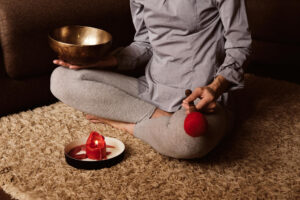
Sound has been used for healing purposes for centuries. Now, with the advent of new scientific discoveries, we are finding that there is an entire ancient wisdom behind this practice. In the last few years, there has been a surge in sound frequency healing, and it is becoming more mainstream than ever before. Sound frequency healing is a type of healing that uses the vibration of sound to help realign and heal the body, mind, and spirit.
Sound healing works on the principle that everything in this world, from our bodies to our cells, vibrates at its own frequency. When our body’s frequency becomes unbalanced or out of sync, it can lead to a variety of health issues. Sound healing therapy can be used to help correct this imbalance and restore health. By studying sound frequencies and their effects on the body, we can learn to use them to create powerful healing effects.
The Foundation of Sound Frequency Healing
Sound frequency healing works at a cellular level through resonance and entertainment. Your organs, bones, and cells each have their natural resonant frequency that create a symphony of vibrations within your body, defining your state of health. When you introduce specific sound frequencies through instruments like singing bowls, tuning forks, gongs, or even the human voice, these frequencies can interact with your body’s natural frequencies, encouraging your body to shift back to their original, harmonious state.
The body, being about 70% water, is an excellent conductor of sound vibrations. When these vibrations travel through the body, they create a ripple effect that penetrates deep into tissues, organs, and even cellular structures. This vibrational massage effect can help release tension, improve circulation, and stimulate the body’s natural healing processes in ways that sometimes surpass traditional therapies, reaching areas that are otherwise inaccessible.
The benefits of sound healing therapy for health extend far beyond relaxation, research has shown. Neuroimaging studies have demonstrated that specific frequencies can influence brainwave patterns, shifting the state of consciousness from the stressed beta state to the more relaxed alpha and theta states. This shift creates a conducive environment for the body to engage its parasympathetic nervous system, often referred to as the “rest and digest” mode, crucial for healing and regeneration.
How Different Frequencies Affect the Body
Sound is measured in frequency, and each band of frequency can have very different effects on the body and mind. The Schumann Resonance, which is around 7.83 Hz, is thought to be the resonance frequency of the Earth. Listening to the Schumann Resonance can improve mental function and reduce stress.
The lowest frequencies of sound (between 20 and 250 Hz) are felt physically more than any other. They’re also used to sound heal the body to a relaxed state. The longer and deeper the bass tones are, the more sound waves travel and can be felt through the entire body. Sound waves of low frequency help to loosen muscle tissues when they are being targeted. The muscle’s vibrations release built-up tension in that area, break up adhesions in the fascia, and increase circulation in the targeted area.
The therapeutic effects of various frequency ranges include:
- Delta waves (0.5-4 Hz): Promote deep sleep, healing, and regeneration; useful for addressing insomnia and supporting recovery from illness
- Theta waves (4-8 Hz): Facilitate meditation, creativity, and emotional processing; helpful for accessing subconscious patterns and releasing trauma
- Alpha waves (8-14 Hz): Encourage relaxation, reduce anxiety, and enhance learning; beneficial for stress management and mental clarity
- Beta waves (14-30 Hz): Support focus and alertness; can be used to combat mental fog and enhance concentration
- Gamma waves (30-100 Hz): Associated with higher cognitive function and spiritual experiences; may support consciousness expansion
Mid-range frequencies, from 250 to 2000 Hz, correspond to the range of the human voice and many traditional healing instruments. These frequencies have a balancing effect on the emotional body and are often used to address issues related to communication, self-expression, and interpersonal relationships. The 432 Hz frequency, in particular, has gained attention for its purported ability to create harmony and resonance with the natural world.
The Mechanisms of Sound Healing
Sound frequency healing works on both a physical and an energetic level. Physically speaking, the pressure waves produced by sound vibrate air molecules, which then cause sympathetic vibrations in the body’s tissues and fluids when they come in contact with the body. This effect can be directly measured and observed, and is therefore within the realm of scientific understanding.
The body’s auditory system transduces sound vibrations into electrical signals, which are then transmitted to the brain via the auditory nerve. The brain’s auditory cortex then processes these signals, allowing us to perceive and interpret sounds. But the process doesn’t end there. Sound vibrations also stimulate the vagus nerve, which is part of the parasympathetic nervous system. The vagus nerve affects many aspects of our physiology, including heart rate, digestion, immune response, and even our emotions. It is thought that this direct neural connection is one reason why sound healing therapy for health has such widespread and far-reaching effects.
Sound healing therapy for health also works with the energetic anatomy of the body. Energy channels and energy centers are well-known to traditional systems of medicine throughout the world (the meridians and nadis of Chinese and Ayurvedic medicine, respectively, and the chakras). Sound frequencies are thought to help clear blockages in the energy channels, allowing life force energy to flow more freely through the system.
Practical Applications and Benefits
The uses for sound frequency healing are as varied as the issues that a client may be dealing with from physical ailments to emotional challenges. Those with muscle tension from physical or manual labor, sports or emotionally holding tight, may find sound healing in muscle relaxation helpful in conjunction with or instead of physical manipulations.
Practitioners will hold a tuned low-frequency instrument near or directly on the tense muscle group and maintain the vibration for a period of time. The deep resonating vibration causes the muscles fibers to release and stretch. The effect is often described as a deep sense of releasing or melting as chronic tension in the muscles seems to simply melt away. This can be especially helpful for those who may find massage painful or have difficulty giving up control to receive full benefit from manual therapy.
Common conditions that respond well to sound healing include:
- Chronic pain and tension headaches
- Anxiety, depression, and mood disorders
- Sleep disturbances and insomnia
- Post-traumatic stress and emotional trauma
- Digestive issues related to stress
- Immune system dysfunction
- High blood pressure and cardiovascular stress
- Cognitive decline and memory issues
The psychological and emotional benefits of sound healing therapy for health are equally significant. The meditative state induced by sound healing creates an opportunity for emotional processing and release. Many practitioners report that clients sometimes experience spontaneous emotional releases during sessions—tears, laughter, or simply a sense of lightness—as the vibrations help release stuck emotions stored in the body’s tissues.
Sound healing has also shown promise in addressing neurological conditions. Research on binaural beats—a phenomenon where presenting two slightly different frequencies to each ear creates a perceived third frequency in the brain—has demonstrated effects on cognitive function, pain perception, and mood regulation. This approach is now being explored as a complementary therapy for conditions ranging from ADHD to Alzheimer’s disease.
How Five Elements Centre Guides Your Sound Healing Journey
If you are interested in learning about or receiving sound frequency healing, then it is important to seek out appropriate guidance from those who are experienced in working with sound. At The Five Elements, we offer an in-depth approach to sound healing that is both informed by ancient practices and modern understanding, as our practitioners know that sound healing should be done in a way that creates a sacred space for healing to occur.
One key difference in quality guidance for sound healing is the understanding of how to integrate various modalities as well as having a holistic knowledge of each person’s individual needs. One frequency can have different effects on two people depending on their health, energy and emotional patterns at the time of the session.
The Science Continues to Evolve
Recent research into sound frequency healing has begun to bridge the gap between ancient wisdom and modern medicine. Studies using advanced imaging techniques have shown that sound therapy can actually alter brain structure over time, increasing gray matter density in areas associated with emotional regulation and stress management. Other research has demonstrated measurable changes in heart rate variability, cortisol levels, and immune markers following regular sound healing sessions.
Psychoacoustics is the study of sound perception and its psychological effects. Research in this area continues to uncover interesting ways in which different frequencies can affect human consciousness and behavior. For instance, scientists have found that specific combinations of frequencies can promote neuroplasticity, the brain’s ability to form new neural connections, which may aid in the recovery from brain injury and cognitive decline.
Quantum physics has also contributed to our understanding of sound healing, suggesting that consciousness itself may be influenced by vibrational frequencies. While this area remains speculative, it opens intriguing possibilities about how sound might affect us at the most fundamental levels of existence.
Integrating Sound Healing into Your Life
You don’t have to wait until a professional session to start experiencing the effects of sound frequency healing. Humming, toning, and chanting are basic techniques that produce vibrations within your own body that can be healing. The technique of “vocal toning”—holding vowel sounds at comfortable pitches—is one of many self-help, sound healing techniques in a state of relaxation you can practice at home.
Listening to music or sound healing recordings tuned to specific frequencies can also provide benefits, though direct exposure to live sound instruments typically produces stronger effects due to the richness of overtones and the physical vibrations present in the space. Many people create daily practices around sound, using singing bowls, tuning forks, or recorded frequencies during meditation or before sleep.
The key to sustainable benefits is consistency. Like any healing modality, sound therapy works best when integrated into a regular wellness routine rather than used only in crisis moments. Even brief daily exposure to healing frequencies can help maintain energetic balance and prevent the accumulation of stress and tension that leads to more serious health issues.
Understanding Your Individual Response
It’s important to recognize that responses to sound healing are highly individual. Some people feel immediate, dramatic effects—deep relaxation, emotional releases, or resolution of physical symptoms. Others experience more subtle shifts that become apparent over time or through cumulative sessions. Neither response is better or more valid; they simply reflect the unique way each person’s system processes vibrational input.
Factors that influence your response to sound healing include your current health status, stress levels, openness to the experience, and even your musical background. People with musical training sometimes process sound healing differently, as their brains are wired to analyze musical elements, which can initially interfere with the receptive state needed for healing. With practice, however, they often learn to shift from analytical listening to somatic receiving.
Some individuals experience what practitioners call a “healing crisis,” where symptoms temporarily intensify before improving. This occurs as the body releases toxins or processes stuck emotions stirred up by the vibrational work. These reactions are generally mild and short-lived, but they’re worth mentioning so you can recognize them as part of the healing process rather than a setback.
The Future of Sound Frequency Healing
The increasing scientific evidence supporting the efficacy of sound healing is likely to result in its integration with conventional medicine in more settings. Some hospitals and clinics have already begun to incorporate sound healing practices into their offerings, such as pain management programs, oncology support services, and palliative care. The non-invasive nature of sound healing, its lack of side effects, and its wide applicability make it a promising addition to traditional medicine.
In addition to traditional sound healing, technology is playing a role in bringing sound frequency healing to more people. Apps, virtual reality programs, and other technological solutions can make sound healing more accessible to those who may not have had access before. Technology can also be used to precisely target specific areas of the body with specific sound frequencies through advanced sound delivery systems.
Of course, technology will never replace the experience of live sound healing with a trained practitioner. The human touch, intention, and presence are all important elements of the healing process. However, technology can be a helpful tool in making the benefits of sound healing more widely available.
Frequently Asked Questions
Q: How long does it take to experience benefits from sound healing?
Some people notice immediate effects like relaxation or pain relief after just one session, while others require several sessions before experiencing noticeable changes. For chronic conditions or deep emotional work, consistent sessions over several weeks or months typically produce the most significant results.
Q: Is sound healing safe for everyone?
Sound healing is generally safe for most people, but certain conditions require caution. Those with sound-sensitive epilepsy, people with pacemakers or other electronic implants, and pregnant women in their first trimester should consult healthcare providers before participating. Always inform your practitioner of any health conditions.
Q: Can sound healing replace medical treatment?
Sound healing should be viewed as a complementary therapy that supports overall wellness and can enhance the effectiveness of conventional medical treatments, but it should not replace necessary medical care. Always consult with qualified healthcare providers for serious health conditions.
Q: What should I expect during my first sound healing session?
You’ll typically lie down or sit comfortably while the practitioner plays various instruments around or near your body. You might experience deep relaxation, emotional releases, physical sensations like tingling or warmth, or simply a meditative state. Each person’s experience is unique.
Q: How is sound healing different from just listening to music?
While music can certainly be therapeutic, sound healing uses specific frequencies and instruments intentionally chosen for their healing properties. The vibrations are often felt physically throughout the body, and sessions are conducted in a therapeutic context designed to facilitate healing rather than entertainment.
Begin Your Sound Healing Journey
If you’re drawn to explore how sound frequencies might support your health and wellbeing, consider taking the next step in your journey. Whether you’re seeking relief from physical discomfort, emotional balance, or spiritual growth, sound healing offers a gentle yet powerful pathway to transformation.
Deepen Your Practice with Professional Training
For those interested in not just receiving but also practicing sound healing, comprehensive training programs are available:
Sound Healing Courses in Delhi
Sound Healing Courses in Noida
Sound Healing Courses in Rishikesh
Sound Healing Courses in Bangalore
These comprehensive training programs can help you develop the skills to facilitate healing for yourself and others, opening possibilities for both personal transformation and professional practice.
Ready to experience the transformative power of sound? Your journey toward greater harmony, health, and wholeness awaits.