India is a culture that has always known the healing power of sound. From temple bells ringing through towns at sunrise to the omnipresent drone of a tanpura, Indians have long known what neuroscience is only recently proving: sound frequencies have the power to heal us. With the rising tide of stress in India’s cities and the rise of anxiety as an epidemic, many are rediscovering this knowledge via an emerging industry known as sound healing.
If you are just getting started on your sound healing journey, a lifelong meditator, or researching sound healing courses to take your practice to the next level, this article will cover the 10 most potent instruments used in India’s sound healing scene and how they can heal you.
Why Sound Healing Is Gaining Ground in India
Sound healing’s effect on stress and anxiety isn’t new age speculation. Neuroacoustic studies have shown that certain sound frequencies can transition the brain from a stressed beta wave state to the more relaxed alpha and theta states. If you are able to maintain your nervous system in these states on a regular basis, you will experience lower cortisol levels, normalized blood pressure, and better sleep. India is at the forefront of this worldwide revolution.
Sound (nada), along with Ayurveda and yoga have been used for millennia in India to help align and balance the body and mind. This resurgence is simply a reawakening of that knowledge. Wellness centers, yoga studios and retreat centers in Mumbai, Bengaluru, Pune and Delhi are beginning to host weekly sound bath sessions, as well as train students in sound healing through course programs.
The 10 Top Sound Healing Instruments for Stress Relief
1. Tibetan Singing Bowls
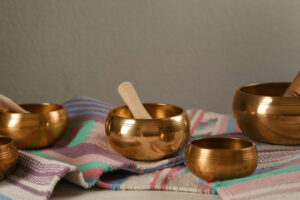
Perhaps the most widely recognised sound healing instrument in India and globally, Tibetan singing bowls produce rich, multi-layered tones when struck or rimmed with a mallet. These bowls, traditionally made from an alloy of five to seven metals, emit complex overtones that create a natural binaural beat effect in the brain. They are extensively used in sound healing instruments for meditation sessions because their sustained resonance encourages a swift transition into a relaxed, inward state. Practitioners place the bowls on or around the body so that the vibration is felt physically as well as heard, creating what is called a full-body sound experience.
2. Crystal Singing Bowls
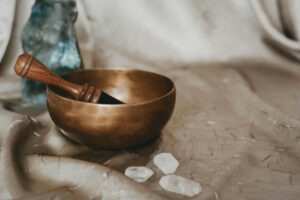
Crystal singing bowls are made of crushed quartz crystal that has been fired at high temperatures. As a result, they resonate with a very clear, pure tone that many describe as heavenly. Bowls are usually tuned to the musical note corresponding with a chakra or energy centre. This pure tone is believed to resonate more deeply into the cellular structure of the body, helping to release stored tension. Crystal bowls sound healing are gaining popularity amongst India’s city dwellers and are commonly used at sound bath events and retreats.
3. The Gong
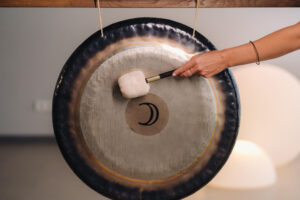
The gong has been used in India and Asia for thousands of years in ritual, ceremony, and healing. A professionally played gong generates an extraordinary range of frequencies from deep sub-bass rumbles to shimmering high overtones in a single instrument. A gong bath, where the practitioner builds up layers of sound using different mallets and playing techniques, is considered one of the most powerful tools for deep stress release. Many participants report experiencing a state resembling sleep or deep meditation within minutes, making the gong invaluable in addressing chronic stress and burnout.
4. Tanpura (Tambura)
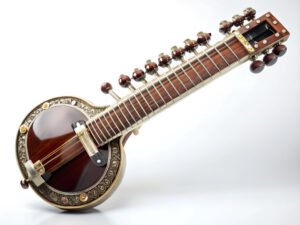
The tanpura is an invention unique to India. This master drone instrument provides the steady backdrop of sung notes in Hindustani and Carnatic classical music. Its open, wavering drone centers you in the now. Digital tanpura apps and acoustic tanpuras are used by contemporary sound healers to envelop their clients in a sonic atmosphere. When it comes to sound healing instruments for meditation, the tanpura is unsurpassed in its capacity to anchor you in one-pointed awareness. One-pointed awareness is meditation itself.
5. Tuning Forks
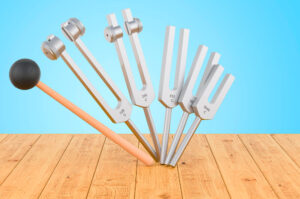
Tuning forks offer a precision-oriented approach to sound healing. These metal instruments are struck to produce a specific, pure frequency and can be applied directly to the body or held near the ears. Frequencies like 432 Hz, 528 Hz, and the Solfeggio scale are commonly used by practitioners. In clinical and holistic settings across India, tuning fork therapy is gaining traction as a gentle yet effective method for addressing sound healing on stress and anxiety, particularly when combined with acupressure or marma therapy rooted in Ayurveda.
6. Shruti Box
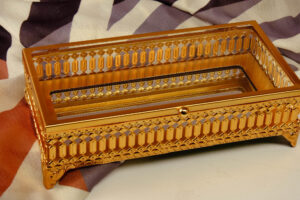
The shruti box is an Indian instrument that makes a continuous harmonic drone when pumped. It has this magical ability to transport you to a relaxed place as soon as you hear it. There is something about the breathing quality of the shruti box, as opposed to electronic drones, that feels alive. Soothing to the nervous system. Indian yoga teachers and sound healers play them at the beginning and ending of classes and workshops to cue the nervous system to chill out.
7. Didgeridoo
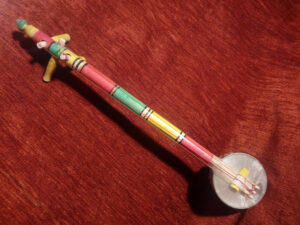
Though originally from Aboriginal Australia, the didgeridoo has found a home in India’s integrative wellness community. Its deep, pulsating drone vibrates at infrasonic frequencies that the body absorbs rather than merely hears. These low-frequency vibrations activate the parasympathetic nervous system, the body’s rest-and-digest mode making it particularly useful for those suffering from chronic anxiety. Several sound healing practitioners in India now include didgeridoo in their sound healing course programs, recognising its cross-cultural healing power.
8. Koshi Chimes
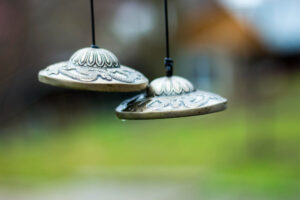
Koshi chimes are hand-crafted instruments consisting of metal rods suspended inside a bamboo or metal cylinder. When gently rotated, they produce delicate, layered tones tuned to the classical elements earth, water, fire, and air. Their gentle, wind-like quality creates a spacious, open sound environment ideal for lighter meditation work, children’s wellness sessions, and closing ceremonies. As sound healing instruments for meditation, koshi chimes are excellent for inducing a soft, receptive mental state without the overwhelming intensity of larger instruments.
9. Handpan / Hang Drum
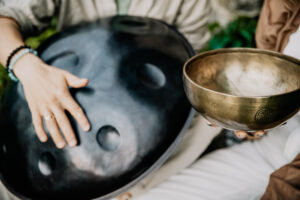
The handpan is a fairly new instrument created in the early 2000s – but it has become one of the fastest adopted instruments in the sound healing community. There is something inherently emotional about the melodic, percussive sound of the handpan. It can create feelings of awe, happiness, and profound peace all at once. Indian musicians and healers have truly taken to the handpan. You can find them played at sound healing concerts, festivals, and sessions all over Indian cities. The scales are typically pentatonic or modal in nature. This allows the handpan to never produce notes that are dissonant and leave the listener in a peaceful emotional place.
10. Temple Bell and Tingsha Cymbals
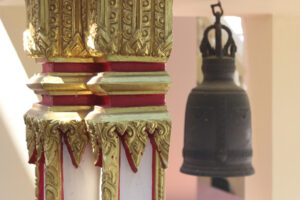
Temple bells and tingsha cymbals (small, disc-shaped Tibetan ritual cymbals) hold deep cultural and spiritual resonance in India. When struck together, tingshas produce a sharp, crystalline ring that immediately arrests wandering thought and draws awareness into the present moment. This quality makes them invaluable at the beginning and end of meditation sessions. Scientifically, this sudden, clear tone acts as a pattern interrupt to the mental chatter of the default mode network, the brain’s ‘worry circuit’ providing instant relief from the background hum of anxious thinking.
Key Benefits of Sound Healing for Stress and Anxiety Relief
Sound healing is increasingly recognised in India’s integrative health community for several well-documented benefits:
- Rapid reduction of cortisol levels, the body’s primary stress hormone, through sustained exposure to harmonic frequencies
- Activation of the parasympathetic nervous system, shifting the body from fight-or-flight into a state of rest and recovery
- Improved sleep quality and duration, especially for those dealing with insomnia linked to anxiety
- Enhanced emotional regulation by stimulating the release of dopamine and serotonin through pleasurable sonic experiences
- Reduction of physical tension held in the muscles, fascia, and joints through vibrational resonance
- Deepened states of meditation, even for beginners who find it difficult to quiet the mind through conventional techniques
- Greater self-awareness and emotional processing through the non-verbal, somatic channel that sound opens
How to Choose the Right Sound Healing Instrument for You
Choosing a sound healing instrument is a deeply personal process. The best instrument is the one that resonates with your nervous system and that you will actually use consistently. That said, a few practical considerations can help narrow the field.
Ask yourself these questions before investing in or exploring an instrument:
- Do you prefer deep, enveloping sounds (gong, Tibetan bowl, didgeridoo) or bright, clear tones (tingsha, crystal bowl, tuning fork)?
- Are you using the instrument for personal practice, professional facilitation, or group sound baths?
- Do you want something portable and accessible, or are you setting up a dedicated healing space?
- Are you drawn to Indian classical traditions (tanpura, shruti box) or are you open to cross-cultural tools?
- Is your primary intention deep stress relief, meditation support, emotional processing, or physical pain management?
There is no hierarchy among these instruments. Many professional sound healers use a combination of several in a single session, layering textures and frequencies to guide participants through distinct phases of relaxation, release, and integration.
How Five Elements Can Guide Your Sound Healing Journey
When learning sound healing, especially if you are considering taking it on as a serious hobby or even career path, having a teacher can make all the difference. Five Elements is a wellbeing platform specializing in blending ancient Indian medicinal knowledge with modern sound healing. Need to know which instruments work best with your body type? Want to find a sound healing course that fits the Indian culture? Looking to discover who the top practitioners are in your area? Five Elements has meticulously compiled information to help answer these questions and many more.
Inspired by the core philosophy embedded in Indian healing practices, Five Elements is named after the five elements; earth, water, fire, air, and ether which create our human body as well as everything in the universe we hear. Each instrument is connected to one of these elements, so with the help of a Five Elements expert, you can determine what frequencies your body is lacking and which instruments you should play to not just have fun, but to heal.
Integrating Sound Healing Into Daily Life in India
Perhaps my favorite thing about sound healing is how accessible it can be. Meditation, exercise, healthy eating, we all know these things are good for us, but they can require large blocks of time or money or specialized equipment. You can take your medicine every day with just a minute or two of basic sound healing. Keep a pair of tingsha or small singing bowl on your desk for a one-minute reset when your workday gets stressful. Listen to a 10 minute recording of a gong or crystal bowl before bed to help yourself sleep like a baby.
Play a shruti box along with your morning yoga and pranayama to tune your body into your breath and calm your nervous system before your day kicks into gear. Consistency over intensity! Spending five minutes each day meditating with your sound healing tools will be much more effective than spending 3 hours on the weekend zoning out. You’re teaching your nervous system! Regular exposures create a new normal.
A Final Note on Sound as a Path to Wholeness
Sound Healing is deeply rooted in Indian tradition. Beginning with the ancient concept of ‘Nada Brahma’ or ‘The universe is sound’, all the way to our classical music composers using ragas (musical scales) as healing medicines for various emotions, India’s connection to healing frequencies is centuries old, rich and profoundly advanced. Each one of these 10 instruments featured in this article has been used for thousands of years, and aren’t new age fads; they are supported by science today.
If you’re looking for relief from stress and the chaos of everyday life, wanting to deepen your meditation practice, training as a therapist or looking to transform your life, there’s never been a better time to allow sound to guide you into a more balanced, calm and connected life. India has the history, the teachers and a movement building around us to make this one of the most powerful healing revolutions to happen. You just need to open your ears.
Frequently Asked Questions
- What is the best sound healing instrument for beginners in India?
Tibetan singing bowls and tingshas are the most accessible starting points. They are widely available across India, relatively affordable, easy to learn basic techniques for, and immediately effective for stress relief and meditation support.
- How does sound healing help with stress and anxiety?
Sound healing on stress and anxiety works primarily by shifting brainwave activity from the active beta state to the calmer alpha and theta states. This reduces cortisol production, activates the parasympathetic nervous system, and interrupts chronic mental loops associated with anxious thinking all without requiring any prior experience or specific belief system.
- Are sound healing course programs in India internationally recognised?
Recognition varies by programme. Some reputable Indian sound healing course programs are affiliated with international bodies or are run by globally certified teachers. Always research the credentials of the training provider, ask about the syllabus, and check for alumni testimonials before enrolling.
- Can sound healing instruments be used alongside conventional medical treatment?
Yes. Sound healing is considered a complementary modality and is generally safe to use alongside conventional medical treatment for conditions like anxiety, depression, chronic pain, and sleep disorders. It is not a replacement for medical care.
- How long does a typical sound healing session last, and how often should I attend?
A typical group sound bath in India lasts 45 minutes to 90 minutes. For meaningful stress relief benefits, attending once a week is a good starting point. Many people find that two to three sessions per month, combined with a simple daily personal practice using sound healing instruments for meditation at home, produces sustained, noticeable improvements in mood, sleep, and overall well-being.