Gone are the days when corporate wellness simply meant providing gym memberships and yearly health check-ups. In 2026, innovative companies will be offering their employees access to Corporate Sound Healing as part of a holistic employee wellbeing program focused on tackling stress, burn out and mental fatigue in a sustainable way. Here’s your comprehensive guide to corporate sound healing: what it is, how it works, why companies will be using it, and things to consider before offering it at your organisation.
We cover the science behind sound based meditation, popular formats for the workplace, expected outcomes, and how organised learning paths like Sound Healing Courses/Certification can aid in professional application.
What Is Corporate Sound Healing?
Corporate sound healing is intentionally designed sound based relaxation sessions tailored for the workplace. From singing bowls to gongs, chimes and tuning forks, listeners are bathed in vibrations that support the mind and body to release tension.
Sound healing sessions aren’t your typical “casual listening.” Frequencies and rhythms are mindfully curated by a practitioner to guide your nervous system into a state of balance. Whether in-person at your office, conference room, leadership retreat or online with remote employees, everyone can benefit from sound.
Mindfulness, breathwork or mini-meditations are often integrated with sound for employees. It’s not about listening to your favorite song or trying to keep awake. It’s about providing data that shows decreased stress levels and improved brain function.
Why Corporate Sound Healing Matters in 2026
Today’s workforce is flooded with distractions, stressed by hybrid work demands and expectations that continue to escalate. Burnout has been officially recognized by the World Health Organization as an occupational phenomenon. Employers are seeking non-invasive, evidence-informed workplace wellness solutions.
Corporate sound healing addresses several workplace challenges:
- Chronic stress from continuous digital exposure
- Reduced attention span and mental fatigue
- Emotional exhaustion in high performance teams
- Sleep disturbances affecting productivity
- Interpersonal friction due to high pressure environments
Organisations in technology, finance, design, healthcare, and consulting are increasingly exploring sound based wellness to complement traditional employee assistance programs.
The Science Behind Sound Based Relaxation
To understand how sound therapy functions in a corporate setting, it is important to examine the nervous system.
Brainwave States and Frequency Response
The human brain operates across different wave patterns:
- Beta waves, associated with alertness and active thinking
- Alpha waves, linked to relaxed focus
- Theta waves, connected with deep relaxation and creativity
- Delta waves, present in deep sleep
Instruments used for guided sessions are designed to promote movement away from high beta and into alpha and theta states. Alpha and theta allow for relaxation and clearer thinking. How does Sound Frequency Healing Work? It works through entrainment. Our bodies have biological rhythms that will naturally synchronize with repetitive, harmonic sound waves. Breathing, heart rate variability, and brainwaves are affected.
Nervous System Regulation
Workplace stress activates the sympathetic nervous system, also known as the fight or flight response. Prolonged activation leads to fatigue, irritability, and cognitive decline.
Sound based sessions aim to activate the parasympathetic nervous system, often called the rest and digest state. When this shift occurs:
- Breathing slows
- Muscle tension reduces
- Mental chatter decreases
- Emotional reactivity lowers
These physiological shifts explain why participants frequently report feeling lighter, calmer, and more focused after sessions.
Formats of Corporate Sound Healing Sessions
Corporate sessions are structured to align with professional environments. The most common formats include:
1. 45 to 60 Minute Sound Immersion
Employees lie down or sit comfortably in a quiet room. The facilitator guides the group through breath awareness followed by live sound immersion. This format is ideal for team reset sessions.
2. Executive Retreat Sessions
Leadership teams often integrate sound healing into offsite retreats. These sessions are combined with strategic planning or reflection workshops.
3. Virtual Sound Sessions
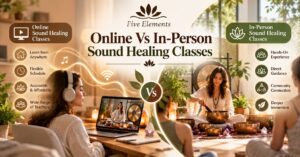
For remote or hybrid teams, virtual guided sessions provide accessibility. High quality audio delivery is critical in this format.
4. Integrated Wellness Programs
Some organisations incorporate sound therapy into larger wellbeing initiatives that include yoga, meditation, and resilience workshops.
Documented Benefits for Employees
Research in the field of music therapy and vibrational sound interventions indicates several potential benefits when sessions are conducted by trained practitioners.
Emotional and Psychological Benefits
- Reduction in perceived stress levels
- Decrease in anxiety symptoms
- Improved emotional regulation
- Enhanced sense of calm
Cognitive and Performance Benefits
- Improved focus and attention
- Increased creative thinking
- Greater mental clarity
- Better decision making under pressure
Physical Wellbeing Outcomes
- Improved sleep quality
- Reduced muscle tension
- Lower fatigue levels
In workplace contexts, these shifts often translate into better engagement and collaborative efficiency.
Strategic Benefits for Employers
Corporate decision makers evaluate wellness initiatives based on measurable impact. Sound based interventions offer several strategic advantages:
- Improved productivity through enhanced concentration
- Lower absenteeism linked to stress related fatigue
- Strengthened employer brand as a wellbeing focused organisation
- Enhanced team cohesion after shared calming experiences
Shared sound immersion can help break hierarchical barriers. When teams experience relaxation together, communication often becomes more open and constructive.
Implementation Considerations for Organisations
Introducing corporate sound healing requires thoughtful planning. The following factors are important:
Space Requirements
A quiet and distraction free environment is essential. Conference rooms may need acoustic adjustments for optimal resonance.
Facilitator Credentials
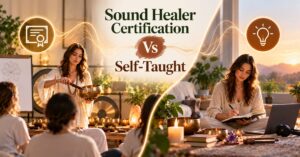
Organisations should work with practitioners who have completed formal Sound Healing Courses/Certification. This ensures safety, professionalism, and ethical practice.
Frequency of Sessions
Some companies schedule monthly sessions. Others integrate them quarterly during peak stress cycles.
Inclusivity
Participation should remain voluntary. Clear communication helps employees understand the purpose and structure of sessions.
Professional Pathways: Training and Certification
As demand grows, structured education becomes increasingly important. Sound Healing Teacher Training programs equip practitioners with knowledge of:
- Sound anatomy and acoustics
- Trauma informed facilitation
- Group dynamics in corporate settings
- Ethical guidelines and safety considerations
Comprehensive Sound Healing Courses programs often include supervised practice and assessment. This professionalization strengthens credibility and aligns with EEAT principles in the wellness industry.
Corporate Sound Healing in India
Corporate wellness programs are quickly gaining popularity in India. In metropolitans like Delhi NCR people are looking more towards an integrative style of wellness.
We have seen a lot of companies who have inquired about Relaxation Therapy in Gurgaon wanting to include sound based modalities in their employee wellness schedules. Because who doesn’t like the idea of relaxing away stress without having to do yoga or use any machines.
Prices of corporate sessions in India may vary depending on the number of people, length of program & the experience of the practitioner. We always recommend having a clear conversation about the desired results and what the session will entail.
Measuring Impact and ROI
To evaluate effectiveness, companies can use both qualitative and quantitative methods.
Quantitative Indicators
- Pre and post session stress surveys
- Employee engagement metrics
- Absenteeism trends
- Retention rates
Qualitative Feedback
- Participant testimonials
- Observed shifts in team communication
- Self reported sleep improvements
When measured consistently, sound based interventions can demonstrate value beyond anecdotal experience.
Ethical and Safety Considerations
Corporate sound healing must prioritise safety. Practitioners should:
- Screen for medical conditions that may require caution
- Avoid exaggerated claims
- Maintain clear professional boundaries
- Respect cultural and personal beliefs
Sound sessions are supportive wellness tools. They are not medical treatments or replacements for professional healthcare.
How Five Elements Guides Holistic Integration
Organisations looking for impartial and educated advice have a few go to wellness. We at Five Elements aim to educate organisations on the basic principals so they can make educated decisions when looking into structured programs.
Whether through our learning resources or our Certification courses we like to ensure everyone is getting enough information to know what they want and need before moving forward with anything. It’s about being mindful, using evidence informed practices and knowing your scope as a facilitator.
We understand the history and practice of sound based therapies and work to bring that ancient knowledge into today’s businesses in a practical way.
Common Misconceptions About Corporate Sound Healing
Despite growing popularity, misunderstandings persist.
Misconception 1: It Is Only Spiritual
While sound practices may have roots in ancient traditions, corporate sessions are structured in a professional, secular format focused on stress reduction and cognitive wellbeing.
Misconception 2: It Is the Same as Listening to Music
Guided sound immersion involves specific frequencies, pacing, and silence intervals. It is intentionally designed, not random background audio.
Misconception 3: Results Are Immediate and Permanent
Like any wellbeing practice, consistency matters. Regular sessions often produce more noticeable outcomes than one time events.
Integrating Sound Healing Into a Broader Wellness Strategy
Corporate sound healing works best when integrated into a holistic employee wellbeing framework. This may include:
- Mental health counselling support
- Leadership coaching
- Mindfulness training
- Flexible work policies
- Ergonomic workplace design
Sound based interventions act as complementary tools that enhance overall wellness culture.
Future Trends in Corporate Sound Healing
Looking ahead to late 2026 and beyond, several trends are emerging:
- Data driven wellness programs integrating biometric tracking
- Hybrid session models for global teams
- Greater emphasis on certified practitioners
- Inclusion of sound wellness modules in leadership development
As more professionals pursue Sound Healing Teacher Training, the industry is expected to become more structured and research oriented.
Practical Steps to Introduce Corporate Sound Healing
If an organisation is considering this approach, the following roadmap may help:
- Conduct an internal stress and wellbeing assessment.
- Identify qualified facilitators with verified certification.
- Pilot a small group session and collect feedback.
- Evaluate outcomes using measurable metrics.
- Scale gradually based on data and employee interest.
This structured approach reduces risk and enhances credibility.
Conclusion
Corporate sound healing in 2026 is evolving into becoming more integrative, evidence informed. Having effects on nervous system regulation and mental clarity, sound sessions are a way to learn tangible skills you can use to take care of yourself when stressed at work.
Offered with care, by a trained individual as part of an overall wellness initiative, sound healing at work has the potential to lead to employees who have more focus, experience less burnout, and feel more connected to their coworkers.
Frequently Asked Questions
1. How long does a corporate sound healing session typically last?
Most sessions range between 45 and 60 minutes, allowing sufficient time for relaxation and integration.
2. Is corporate sound healing suitable for all industries?
Yes. It is adaptable across sectors including IT, finance, healthcare, and creative industries, provided it is delivered professionally.
3. Can remote teams participate effectively?
Yes. With proper audio setup and guidance, virtual sessions can offer meaningful relaxation benefits.
4. Do employees need prior experience?
No. Sessions are guided and accessible to beginners without previous exposure.
5. How soon can results be observed?
Many participants report immediate relaxation. Long term impact is more evident with regular sessions.