I had a coworker who hated her morning commute so much that she would sit in her car for a few minutes before walking into the office, already tired before her day began. We talked about little tweaks she could make, and one of the simplest resonated: she started playing one upbeat song before she got out of the car. One. She told me those mornings felt different within a couple of weeks. Not ideal, but lighter.
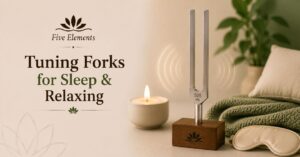
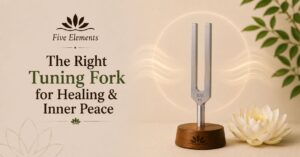
That’s the quiet power of positive energy music. It doesn’t fix everything but it does change how you walk into a room, a meeting, or a hard day. Spiritual musical instruments for healing can also complement this practice by creating calming sounds and vibrations that support a more peaceful mindset. Let’s look at what the research actually says about which kinds of music improve your mood, and how to use that knowledge intentionally, rather than by accident.
What “Positive Energy” in Music Actually Means
When people speak of positive energy music, they usually mean two things happening at the same time. A faster tempo that gets the body moving, and a major key or bright tone that the brain registers as hopeful, not heavy.
Neuroscience supports this in an interesting way. A well-known study from McGill University showed via brain imaging that music you enjoy releases dopamine in the striatum, the same part of the brain involved in reward and motivation (Salimpoor, V. N., et al., “Anatomically Distinct Dopamine Release During Anticipation and Experience of Peak Emotion to Music,” Nature Neuroscience, 2011). This is all done at the most exciting moments of a song and even in anticipation of those moments. That’s why a familiar upbeat chorus can elevate your mood even before it starts.
And here’s something to know about music that boosts your mood: it works best when you listen on purpose. A study from the University of Missouri found that people who actively tried to feel happier while listening to upbeat music reported a real increase in mood, more so than people who simply had the music playing in the background (Ferguson, Y. L., & Sheldon, K. M., “Trying to be Happier Really Can Work: Two Experimental Studies,” The Journal of Positive Psychology, 2013). And really, positive energy music is best used as an active practice, not just wallpaper for your day.
Types of Music That Give Positive Energy
Here’s a breakdown of the genres and sound qualities most associated with lifting mood and energy, based on what tends to show up across mood and music research.
1. Upbeat pop and dance music
Fast tempo, major key, and repetitive, catchy structure. This combination is almost engineered for energy. It’s why gyms and morning shows lean on it so heavily.
2. Funk and soul
Groove-driven rhythms with a strong, steady beat tend to encourage movement, and movement itself boosts mood. There’s a reason funk has stayed a go-to genre for lifting a room’s energy for decades.
3. Classic feel-good rock
Think driving guitars and anthemic choruses. This genre often blends tempo with a sense of momentum, which many people associate with motivation and drive.
4. Gospel and uplifting choral music
Layered vocals and a strong communal feel give this genre an emotional lift that goes beyond tempo alone. Even instrumental versions of gospel-style music carry that same uplifting quality.
5. Reggae and Afrobeat
Both genres combine rhythm with a naturally relaxed, joyful undertone. They tend to energize without pushing into tension, which makes them a favorite for daytime motivation.
6. Bright acoustic and folk music
Not every energizing track needs to be loud. Warm, major-key acoustic music, especially with a steady rhythm guitar, can create a gentle lift that still counts as positive energy music.
7. Uplifting instrumental and film scores
Sweeping, hopeful orchestral pieces are built specifically to create emotional momentum. Composers use rising melodies and major harmonies on purpose to generate exactly this feeling.
8. Devotional chants and mantra music
Repetitive, rhythmic chanting, often built around a steady drumbeat or harmonium, has long been used to shift group and individual energy in spiritual practice. This is one of the techniques explored in the sound healing programs at Five Elements, where chanting and rhythm are used intentionally to shift a group’s state.
9. Drum circles and rhythmic percussion
There’s something primal about a strong, shared beat. Group drumming in particular has been used across cultures to build collective energy, and it’s part of the instrument work taught in several sound healing trainings.
10. High-tempo electronic and EDM
Layered, building structure with a steady beat makes this genre a common choice for workouts and focus sessions. The predictable build and release pattern plays directly into the brain’s anticipation and reward response.
How to Use Positive Energy Music on Purpose
- Pick your moment. Morning routines, workouts, and pre-meeting minutes are ideal windows for an energy boost.
- Choose tempo first. Aim for tracks around 120 to 140 beats per minute if your goal is genuine physical energy.
- Listen actively, not passively. Sing along, tap your foot, or simply notice how the music makes you feel. Passive background listening has a smaller effect.
- Build a short, dedicated playlist. Even five or six songs used consistently can train your brain to associate that playlist with a lift in mood.
- Pair music with movement when you can. Walking, stretching, or dancing while listening amplifies the energizing effect.
- Revisit and refresh your playlist. Familiarity helps, but music you’ve heard too many times can lose some of its effect. Rotate in new tracks every so often.
When Energizing Music Isn’t the Right Fit
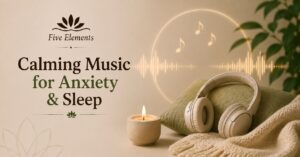
Fast, upbeat music isn’t always the answer. If you’re dealing with anxiety, overstimulation, or a genuinely exhausted body, adding high-energy sound can sometimes push you further into stress rather than lifting your mood. In those moments, slower, calming music or simple rest often serves you better than forcing an upbeat playlist. Music for anxiety and sleep can be a gentle choice when you need to relax, settle your mind, and create a peaceful environment for rest.
A Gentle Reminder
Music is a wonderful mood support, but it isn’t a substitute for care from a doctor or therapist if you’re dealing with ongoing low mood, anxiety, or depression. Think of positive energy music as one tool among several, not a stand-alone fix.
Final Thought
What type of music gives positive energy is not a one size fits all, however tempo, rhythm and intention are always the common threads. Five Elements uses these same principles in its sound healing programs, employing rhythm and chanting to change the energy in a room, not just to make nice background noise. If you want to hear this approach, Five Elements is sharing original recordings on their Spotify and YouTube channels.
Frequently Asked Questions
What type of music gives the most positive energy?
Upbeat genres with a tempo between 120 and 140 beats per minute, like pop, dance, funk, and EDM, tend to create the strongest energy lift, especially when paired with movement or active listening.
Can music actually change your mood, or does it just feel that way?
Research shows it’s real. Studies using brain imaging confirm that enjoyable music triggers dopamine release, and people who intentionally listen to upbeat music while trying to feel happier report a genuine mood boost.
Is instrumental music as effective as music with lyrics for boosting energy?
Yes, tempo and key matter more than lyrics for energy specifically. Uplifting instrumental scores and rhythmic percussion can be just as energizing as upbeat songs with vocals.
How long should I listen to positive music to notice a mood shift?
Some studies show a mood lift within about 12 minutes of intentional listening, though a consistent daily habit over a couple of weeks tends to produce longer-lasting changes.
Does chanting or mantra music count as positive energy music?
Yes, rhythmic chanting and mantra-based music are widely used to shift group and personal energy, particularly in sound healing and meditation practices built around steady rhythm and repetition.