Music is the first thing most of us grab without even thinking. The breakup song when we’re feeling sad. The heavy beat before we hit the gym. The chill playlist before bed. Don’t think that instinctual reach is coincidence. Sound affects how we feel, and modern science is finally beginning to understand what humans have known all along.
Sound therapy is when tones, vibration, and rhythm are used intentionally (not as background noise) to soothe the nervous system and heal the mind. In this article, we’ll discuss what sound therapy actually does, what research says about it, and how to experience it for yourself.
What Is Sound Therapy?
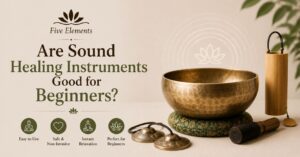
Sound therapy uses vibrations, frequencies, tones, or instruments to try to relax your body and mind. Singing bowls, tuning forks, gongs, drums or recorded binaural beats played with headphones are used. Many people explore how sound helps heal mental disorders through these therapeutic sound practices to support emotional well-being and relaxation.
Sound therapy sessions aren’t exactly like listening to your favorite music. During sound therapy, a practitioner will use specific instruments and patterns with the intention of achieving a certain result. Lowering anxiety, releasing tension and helping people sleep are common goals.
Sound therapy is sometimes referred to as sound healing or a sound bath. The name may change but the intention of shifting your mental state with sound remains, which is why many people believe Sound Help Heal Mental Disorder by promoting calmness and reducing stress.
How Sound Affects the Brain and Body
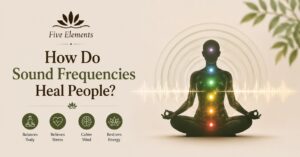
Sound isn’t only something we hear. Sound is a physical wave that travels through air and most of the time through your body as well. When you sit near the singing bowl or drum, you can feel the sound vibrating in your chest and skin rather than just your ears.
There are NIH supported studies that show measurable brain activity changes when experiencing sound sessions. These sound intervention studies demonstrate that certain sound frequencies can alter brainwave activity within minutes. Theta brainwaves which are associated with deep rest increase. Beta waves which are associated with over thinking and worrying decrease (NIH Music-Based Intervention research publication).
This is not just theory. A scoping review on the Effects of Sound Interventions on the Mental Stress Response in Adults found that sound-based methods hold real promise for lowering stress, though the authors noted that more long-term studies are needed to confirm how lasting the effects are.
Benefits of Sound Therapy for Mental Health
Here are the main benefits people report and that studies have looked into:
- Lower stress and anxiety. Sound sessions often trigger the body’s relaxation response, slowing the heart rate and breathing.
- Better mood. Vibration and rhythm can ease tension that builds up in the body and mind after a long day.
- Improved sleep. Calming tones before bed may help quiet a busy mind, making it easier to fall asleep.
- Support for depression symptoms. Music-based approaches, according to NIH MedlinePlus Magazine, may ease symptoms of depression and anxiety linked to several health conditions, though it should not replace medical care.
- Sharper focus. A calmer nervous system tends to think more clearly, which is why some people use sound sessions before study or work.
These effects are backed by growing research, not just personal opinion. That said, most health bodies still describe the field as promising but early, so sound therapy works best alongside good sleep habits, movement, and professional mental health support when needed.
Types of Sound Therapy
There is more than one way to use sound as a wellness tool. Here are the common methods.
Singing Bowl Therapy
Metal or crystal bowls are played in sequence to build layers of tone. Sessions usually run 30 to 60 minutes and are meant to be felt as much as heard.
Tuning Fork Therapy
Tuning forks are struck and placed near or on the body. Practitioners often use sets tied to the seven chakras, aiming to bring specific areas of tension into balance.
Binaural Beats
This method uses headphones to send a slightly different frequency to each ear. The brain perceives a third tone, which some studies suggest may guide brainwaves toward a calmer state.
Sound Baths
A sound bath usually combines several instruments, such as bowls, gongs, and chimes, in a group setting. Participants lie down and simply listen and feel, without any active participation.
What the Research Actually Says
Taking an honest look at what we do know can help. “Sound baths may induce a relaxation response that lessens stress and anxiety,” says UCLA Health. “Part of this may be due to the simplicity of the task of listening, which can allow your overloaded brain to relax.” UCLA Health notes that research into sound baths is still in the early stages. Some studies have been small. More research could paint a clearer picture.
NIH MedlinePlus Magazine echoes this. The publication states that music-based therapies may help with symptoms of depression and anxiety related to a number of conditions. But it also says we need more research to know for sure. The honest takeaway? Sound therapy isn’t a cure-all. It shouldn’t replace therapy, medication, or your doctor’s recommendations. Used as a supplemental tool, though, it can be part of a healthy routine.
Who Can Try Sound Therapy
Sound therapy is generally low risk and open to most people. It can suit:
- People dealing with everyday stress or a demanding work schedule
- Those who struggle to switch off before bed
- People looking for a screen-free way to unwind
- Groups or teams wanting a shared relaxation activity
A word of caution, though. UCLA Health advises that people with cardiac arrhythmia, epilepsy, or implanted medical devices should check with their doctor before trying sound therapy, since certain vibrations and frequencies may not suit every body.
How to Start Practicing Sound Therapy
You do not need years of training to begin. Here is a simple way to start:
- Set aside 20 to 30 minutes where you will not be interrupted.
- Sit or lie down in a comfortable position.
- Play a recorded singing bowl or sound bath track, or use a simple instrument like a tuning fork.
- Close your eyes and focus only on the sound and how it feels in your body.
- Notice your breathing slows down as the session continues.
If you’re looking to dive deeper, using the proper instruments really does help. Five Elements provides hand-crafted singing bowls, chakra-weighted tuning forks, tuning forks, and percussion instruments for home use. They also have coursework for sound healing that can guide students through the process if they desire. Since the curriculum is paired with actual experience as directors of sound healing programs at wellness and rehabilitation centers, you won’t feel like you are learning in a vacuum. Lessons are based on real world applications from teachers who’ve been there.
If you’re still on the fence about taking a course with them, they offer a sound healing masterclass as well. This is great for beginners who would like to learn more about what sound healing is and how it works.
A Simple Way to Support Your Mental Health
Sound therapy isn’t going to cure all your issues independently. No legit practitioner out there is going to tell you that it will. But what it can do is provide you with a low-risk supplement to your existing regimen. One that actually allows you to pause. Press pause on racing thoughts. Allow your body a reprieve from stimuli and screens. If you’re looking for the best sound healing therapy in Gurgaon, a guided sound bath or personalized sessions can be a meaningful addition to your wellness journey.
Do a guided sound bath, use a pair of tuning forks on yourself at home, work with a full spectrum program through a company like Five Elements. The premise remains the same: approach sound mindfully and allow your nervous system to heal itself.
Frequently Asked Questions
- What are the main mental health benefits of sound therapy?
It includes lower stress, better sleep, eased anxiety, and improved mood. Research also links it to reduced overthinking, thanks to changes in brainwave activity during sessions. It works best as a support tool alongside other healthy habits.
- Is sound therapy backed by science, or is it just a trend?
Both. It has ancient roots, but recent studies, including reviews referenced by the NIH, show measurable changes in brainwaves and stress levels. Research is still growing, so it is best seen as promising rather than fully proven.
- How long does a sound therapy session usually last?
Most singing bowl or sound bath sessions run between 30 and 60 minutes. Shorter home sessions of 15 to 20 minutes with a single instrument, like a tuning fork, can still bring noticeable calm.
- Can sound therapy help with anxiety and depression?
It may ease symptoms of both, mainly through relaxation and stress reduction. It should not replace therapy or medication. Think of it as a helpful addition to professional mental health care, not a stand-in for it.
- Is sound therapy safe for everyone?
It is generally safe and low risk. People with cardiac arrhythmia, epilepsy, or implanted medical devices should speak with their doctor first, since certain vibrations may not be suitable for every health condition.